The Art of Melody Writing: Crafting Catchy Tunes
Catchy melodies come from strong basics, active listening, smart structure, and consistent practice.
Melody is the soul of a song. It is the part listeners remember long after the track ends. A strong melody can carry emotion, shape the story, and make a song instantly recognizable.
To write better melodies, start with fundamentals. Scales and keys give you the tonal framework, rhythm and meter shape flow, and intervals add movement and contrast.
Phrasing matters as much as note choice. Think of melody like language: clear phrases with a beginning, middle, and end make the tune easier to follow and remember.
Inspiration can come from active listening, instrument improvisation, humming, singing, and even everyday sounds around you. Record quick ideas when they arrive so they are not lost.
When crafting a melody, begin simple. Build one core phrase first, then develop it instead of forcing complexity too early.
A memorable hook is essential. Even a short phrase can become powerful when the rhythm and note contour connect emotionally with the listener.
Use repetition with variation. Repetition creates familiarity; variation keeps the melody alive. You can vary rhythm, interval jumps, or note endings while keeping the identity intact.
If your song has lyrics, make sure the melody supports meaning and emotion. The vocal line should enhance the words, not compete with them.
Think in structure. Techniques like call-and-response, contrast sections, and AABA-style planning can help melodies feel complete and intentional.
Refinement is where quality improves. Listen critically, edit weak moments, and test the melody in different keys, tempos, and arrangements.
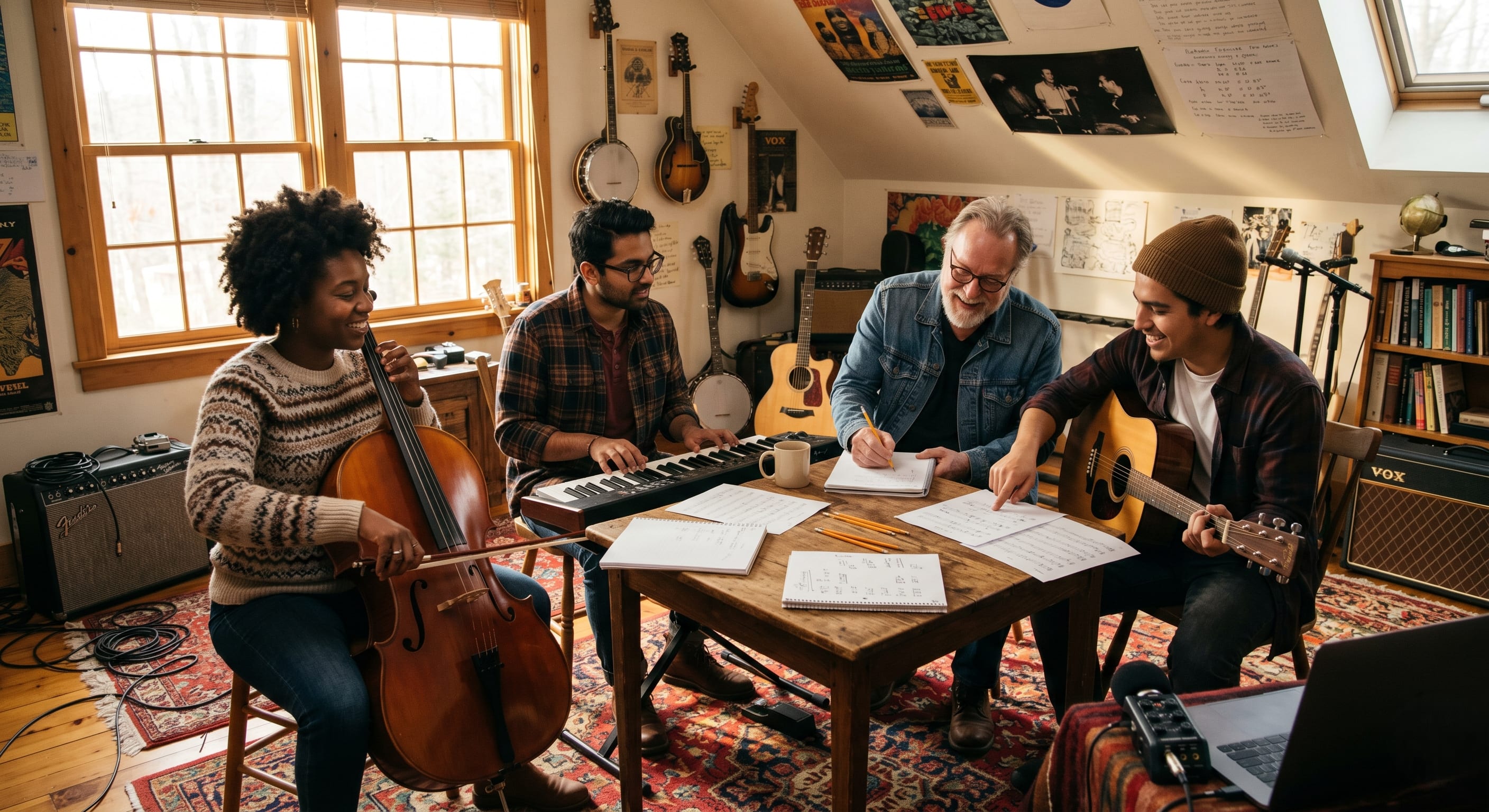
Feedback from other musicians is valuable. A fresh ear can quickly reveal whether your melody is clear, catchy, and emotionally effective.
Most importantly, keep practicing. Melody writing improves through repetition, experimentation, and patience. The more you write, the more naturally strong melodic ideas begin to appear.